

Regional Forum: Urban–Rural Linkages and Local Resource-Based Actions for Climate Resilience, Circular Economy, and Inclusive Growth in ASEAN
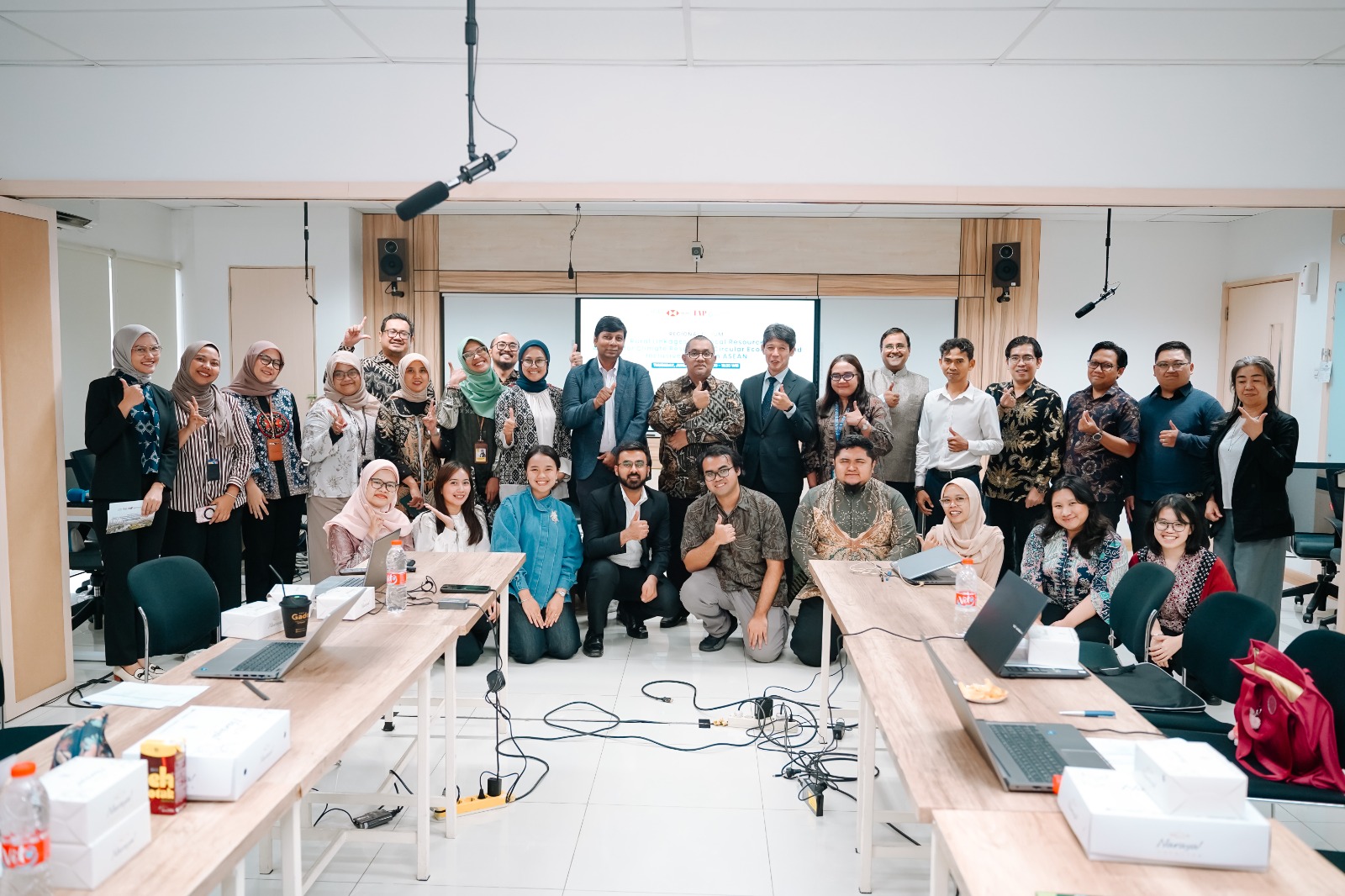
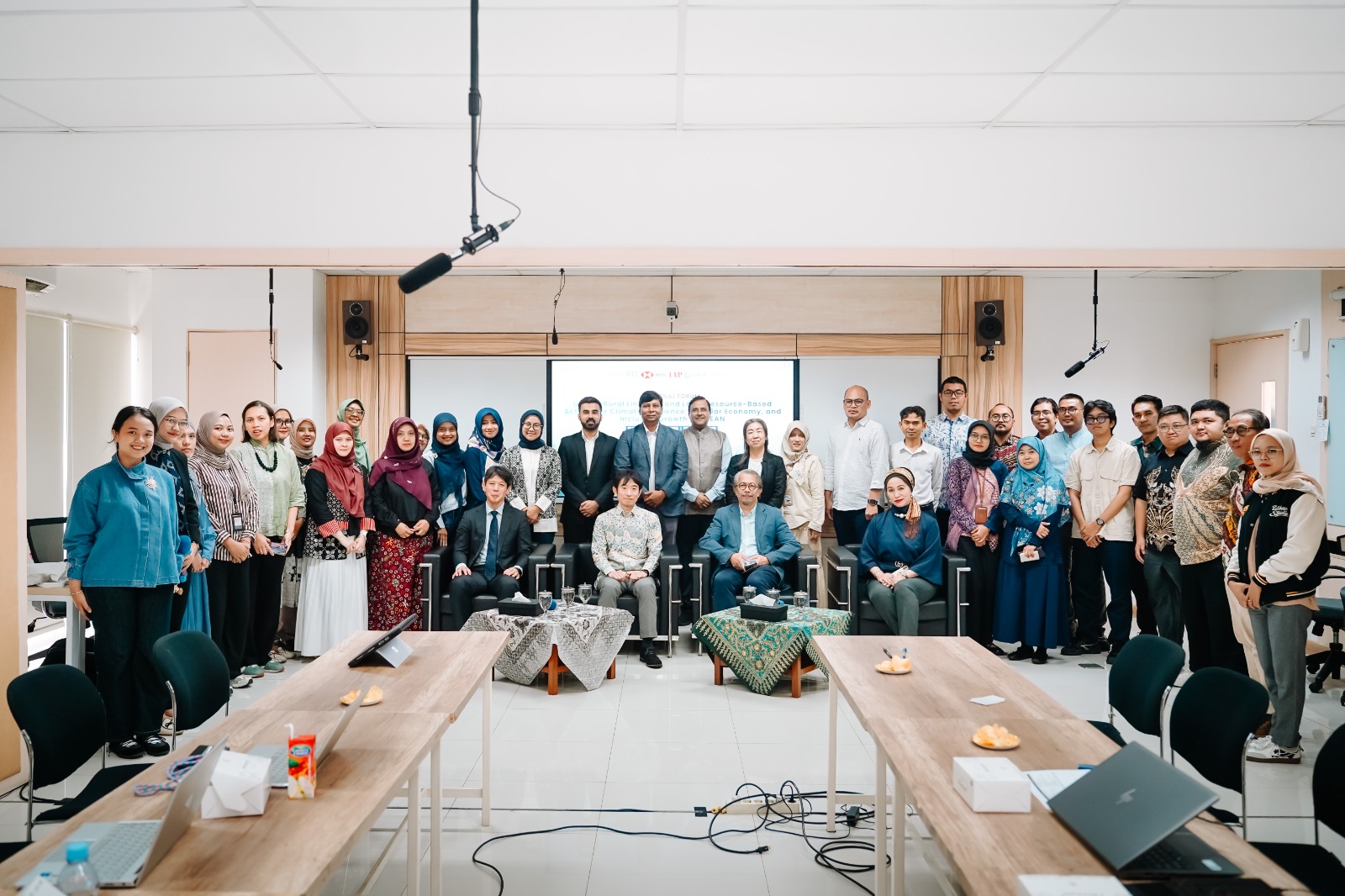
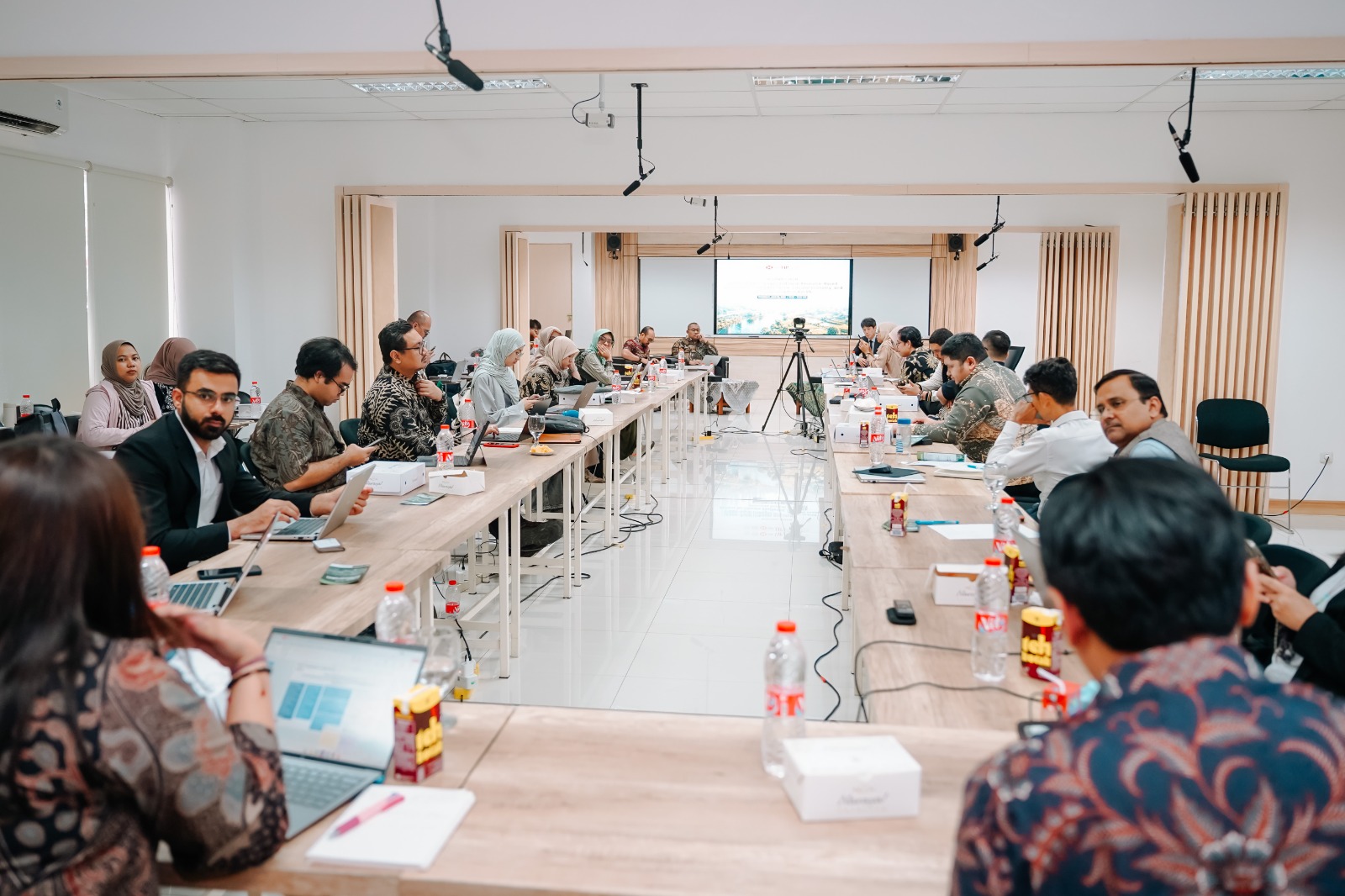
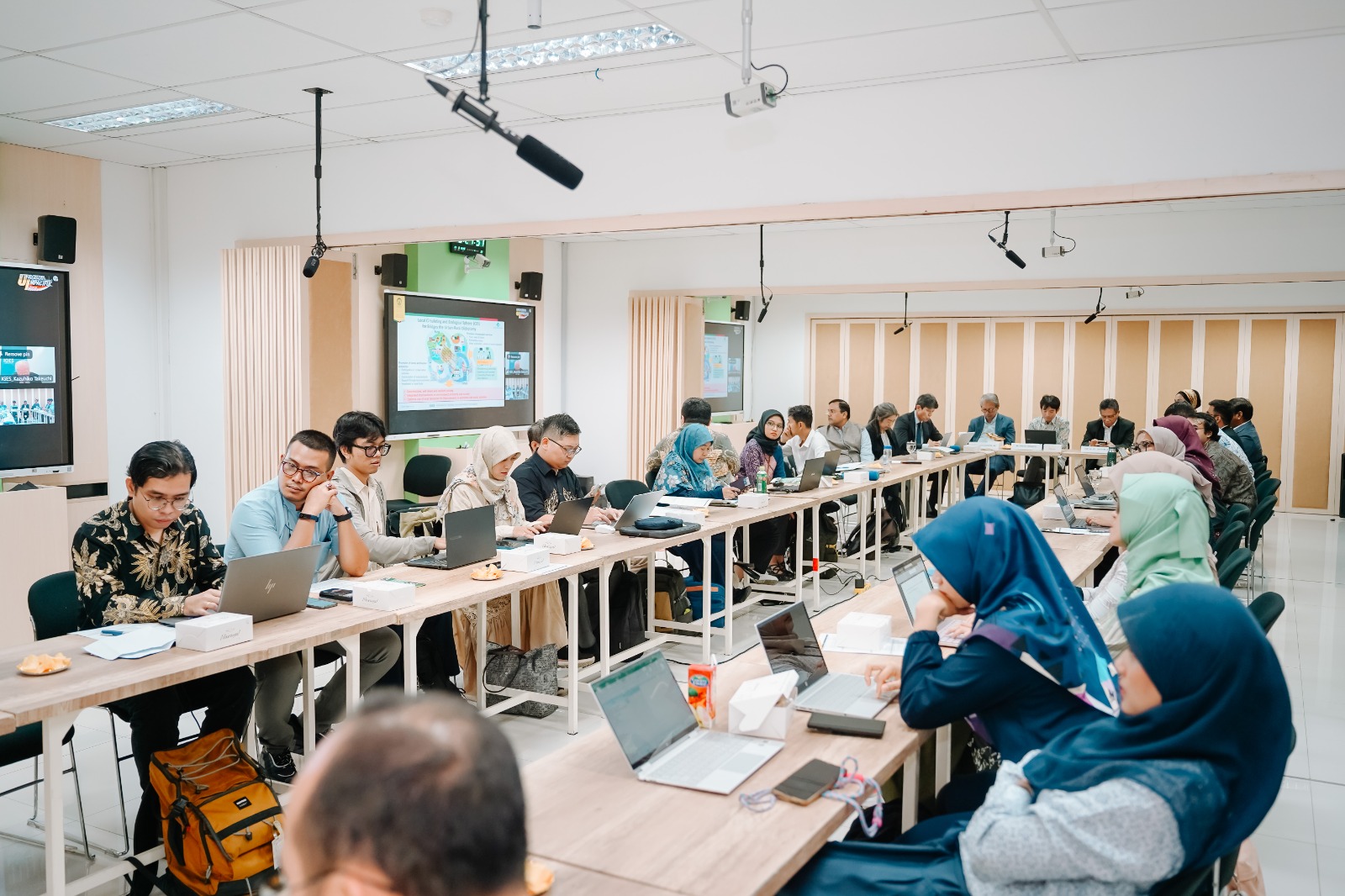
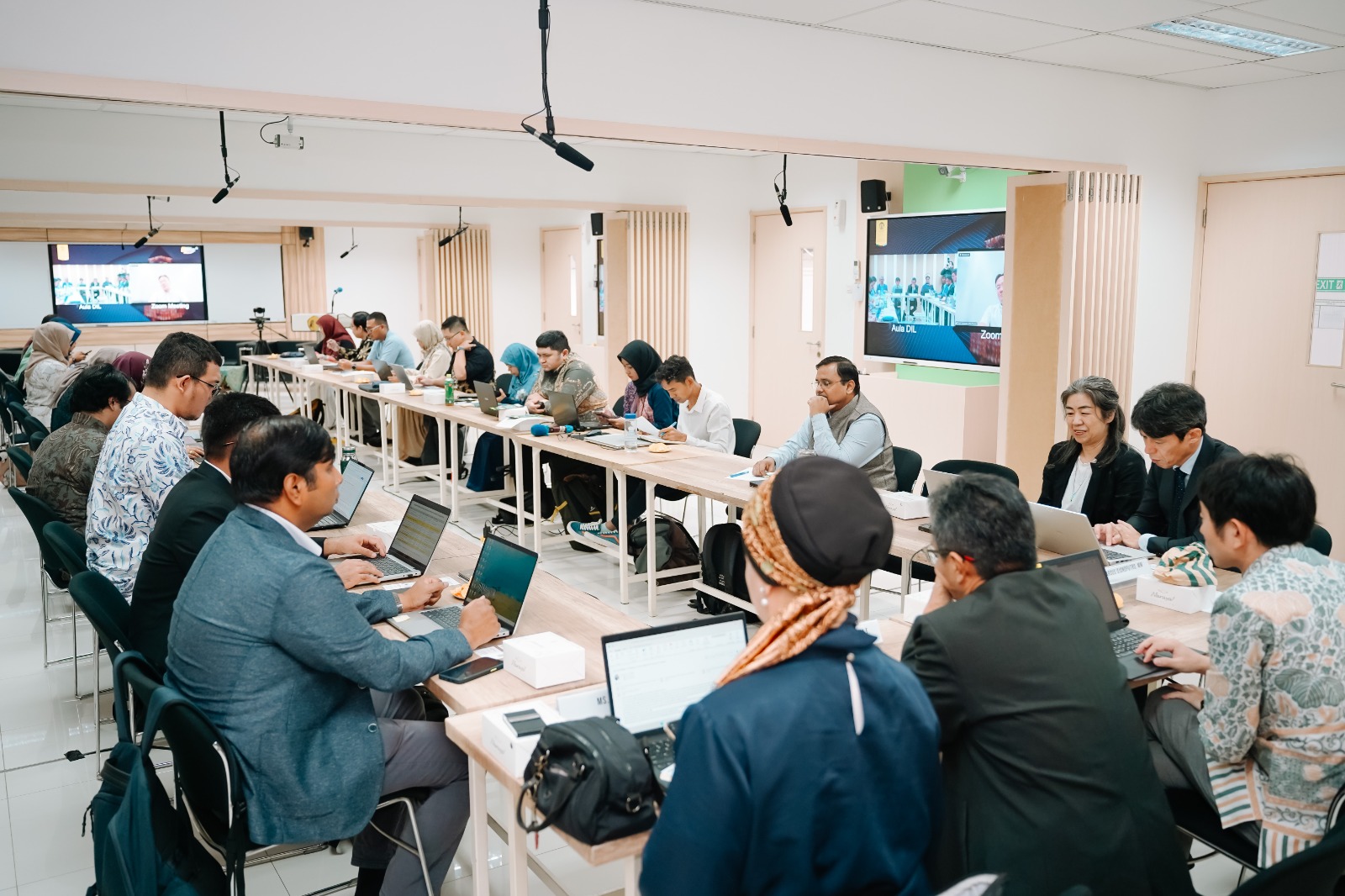
On 25 June 2026, Citieslab, together with the Institute for Global Environmental Strategies (IGES), the Asia-Pacific Network for Global Change Research (APN), the Indonesian Association of Urban and Regional Planners (IAP), and the Urban Studies Program, Graduate School of Sustainable Development, Universitas Indonesia as co-host, organized the Regional Forum on Urban-Rural Linkages and Local Resources-Based Actions at Universitas Indonesia, Salemba Campus, Jakarta. Supported by CASE Indonesia, the forum brought together 52 participants from government institutions, research organizations, academia, development partners, financial institutions, and urban and regional planning practitioners. The forum served as a regional dialogue platform to discuss how urban-rural linkages can support climate resilience, circular economy, energy transition, and inclusive growth across ASEAN, with the Regional Circulating and Ecological Sphere (RCES) introduced as a practical framework to connect decarbonization, resource circulation, and nature-based resilience.
Throughout the forum, speakers and participants emphasized that cities and villages should be understood as mutually reinforcing systems, where urban areas provide demand, financing, knowledge, and institutional support, while rural areas contribute food, renewable energy, ecological services, cultural assets, and local innovation. The discussions covered inclusive rural transformation, sustainable finance, renewable energy planning, agrivoltaics, and the development of a local pilot model in Banjar Regency, South Kalimantan. The forum also highlighted the potential integration of Cindai Alus and Sungai Batang through agrivoltaic demonstration, agro-edu tourism, aquaculture, riverside tourism, religious heritage, local product processing, and village-based institutional management. As a follow-up, participants identified key action points, including feasibility studies, detailed engineering design, village tourism registration, institutional strengthening, blended financing, and coordination with local government to support a replicable model for green rural livelihoods in ASEAN.